

 Suche
Suche
 Mein Konto
Health debate: Do we need the Golf or the Mercedes?
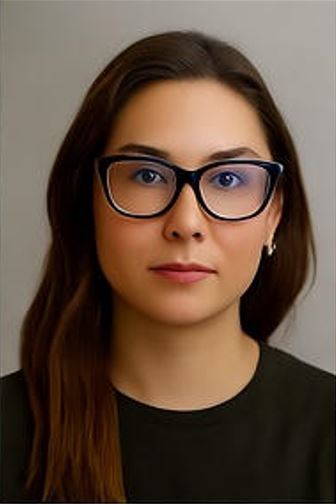
Peter Lehner discusses necessary reforms in the Austrian health system and the relationship between personal responsibility and solidarity.

Health debate: Do we need the Golf or the Mercedes?
The Austrian health system is under criticism: Peter Lehner, chairman of the self-employed fund SVS and head of the social insurance umbrella organization, warns of an overload of resources and calls for a restriction of services. In his opinion, social security should only provide what is absolutely necessary and should not function like a luxuriously equipped Mercedes, but rather like a solid standard Golf. He has already related this view to the current legal situation in the General Social Security Act (ASVG), which stipulates that medical treatment must be sufficient but not excessive news.at reported.
Lehner also expresses his dissatisfaction with the decisions of the outgoing Health Minister Johannes Rauch, who has introduced significant expansions of services on his own initiative, most recently the action plan for post-viral diseases. According to him, it is crucial that the state finances such measures sustainably and includes social security. Lehner also emphasizes the need for personal responsibility on the part of the insured and sees dissatisfaction with the system as a social challenge. He recommends targeted patient management, especially in the case of chronic illnesses, in order to avoid unnecessary double examinations, even if this could limit the freedom to choose a doctor 5min.at turns out.
Criticism and vision for the future
The union's chairman, Andreas Huss, contradicts Lehner and emphasizes that Austrians already bear 23 percent of health care costs themselves, which amounts to around eleven billion euros. He calls for the additional burdens for insured persons to be reduced. Lehner, on the other hand, sees the cash reform five years ago as successful, but does not expect any comprehensive changes under the new government. He speculates that the SPÖ could possibly strengthen the influence of the unions in the Austrian Health Insurance Fund (ÖGK).