

 Suche
Suche
 Mein Konto
AI avatars are taking over the business: a new era for models!
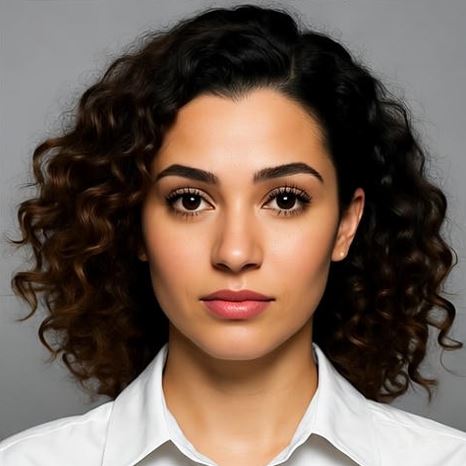
Discover how AI avatars are revolutionizing the modeling industry: opportunities, risks and the impact on platforms like OhChat.

AI avatars are taking over the business: a new era for models!
In the digital world, the possibilities for interaction are changing rapidly. Sexually motivated AI avatars are becoming increasingly popular on platforms like OhChat. Users have the opportunity to interact with digital twins of celebrities, such as the AI clone of ex-Playmate Katie Price. These avatars are available around the clock and promise exciting interactions - be it through chats, personal messages or pictures. Over 200,000 users pay up to 28 euros per month to communicate with the AI models, with Katie Price receiving 80 percent of the revenue. Her digital double is praised by Price himself for his tirelessness: “like me, only without sleep”. It also shows that “OhChat” already has 20 celebrities under contract and the trend is increasing, but the use of these technologies is viewed critically by experts.
A growing concern is the creeping danger of the illusion of true closeness. AI researcher Toby Walsh describes this as “algorithmic theater” with an uncertain outcome. Experts warn about the emotional and psychological risks of interacting with AI avatars that could create feelings of real connection.
The impact on the fashion industry
Artificial intelligence has also revolutionized the modeling industry. Critics see a serious threat that digital avatars could replace real models. Platforms like modelmanagement.com enable models to create digital twins and market them. Major brands like H&M and Levi’s are already using AI avatars for their social media posts and marketing campaigns. H&M has created 30 digital images of real models, with the image rights of the avatars remaining with the models, who are compensated for their use. However, Einidas von Estorff, the founder of modelmanagement.com, emphasizes that there are still many concerns about speaking publicly about the use of AI models.
The use of AI is tempting for companies. The increasing demand for photo and video content is driving the need as AI can significantly reduce the cost of photo shoots. However, critics fear that real models could experience a loss of fees and job opportunities as a result. Levi's planned to use AI models to promote diversity, but had to abandon the project due to public criticism. H&M, on the other hand, maintains that the technology is already available and models should be included in the process.
Perspectives and risks
Michael Musandu, founder of Lalaland, an avatar provider, is optimistic and sees the use of AI as no threat to real models. He emphasizes the need for socially influential models like Kendall Jenner to have real, personal connections. Lalaland generates photorealistic models in different body shapes and ethnicities, which could lead to more diversity in online shops. Musandu also speaks from personal experience about the underrepresentation of people of color in online shopping.
However, the risks of using AI in the fashion industry should not be underestimated. Critics like Sarah Ziff warn that digital twins could receive lower fees and the original may become unnecessary. With fewer photoshoots, there could be a decline in available jobs in the industry. For consumers already familiar with edited images, it may become important to label AI-generated images in the future to ensure transparency.
The world of AI avatars and digital models is evolving rapidly. While some welcome the possibilities, others warn of the potential dangers. The balance between innovation and maintaining human elements and values in the industry remains a key challenge.