

 Suche
Suche
 Mein Konto
Topsy Küppers: A life against fascism – Vienna mourns!
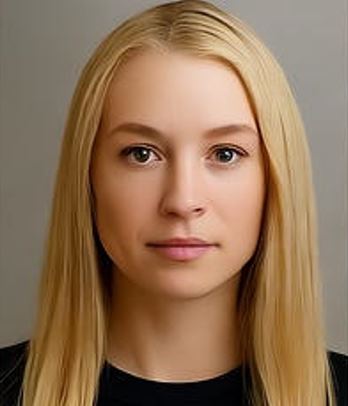
Vice Chancellor Babler on the death of the artist Topsy Küppers: A testimony against fascism. Her diverse career and legacy.

Topsy Küppers: A life against fascism – Vienna mourns!
On June 15, 2025, the Austrian cultural world suffered a bitter loss: Vice Chancellor and Minister of Culture Andreas Babler expressed his dismay at the death of Topsy Küppers, who died on June 14, 2025. As a versatile artist, Küppers left a lasting impression in the fields of television, singing, literature and theater.
Küppers, born on August 17, 1931 in Aachen, was not only a talented actress, but also a director, theater director, singer and author. Under her leadership, the “Freie Bühne Wieden” was founded in Vienna, which developed a unique concept for premieres. This stage was a place where topics such as misogyny, anti-Semitism and fascism formed the center of their programs.
A living testimony against fascism
Babler explained that Topsy Küppers was a living witness against the horrors of fascism and took up the fight against these ideologies with her joy of life. Their commitment and art should be seen not only as entertainment, but also as an expression of a resilient spirit in a dark time.
Küppers' biography tells of a multifaceted life that began with various engagements on stages in Berlin, Hamburg, Munich, Frankfurt, Vienna and Zurich. In 1958 she met the composer Georg Kreisler, to whom she was later married. She was the mother of two children and published numerous works, including factual novels and solo programs. Their influence on culture has been recognized through numerous awards, including the Golden Cross of Merit of the State of Lower Austria in 2012 and the Austrian Cross of Honor for Science and Art, 1st Class in 2011.
Resistance to oppression
The context in which Küppers worked is expanded by the topic of Austrian resistance against fascism and the associated social challenges. Historical analyzes show that resistance fighters who fought against the oppression of the Austrofascist and National Socialist regimes often did not receive the recognition they deserved. These resistance movements are a central part of the culture of remembrance and reflect the desire for a free and democratic Republic of Austria, which Küppers also embodied in her artistic practice.
Topsy Küppers will remain in people's memories as a voice of resistance who always tried to use her art to draw attention to injustices and fight for a better society. Her life's work and tireless commitment remain a ray of light in Austria's cultural landscape.