

 Suche
Suche
 Mein Konto
New image database shows the lives of migrant women in Vienna!
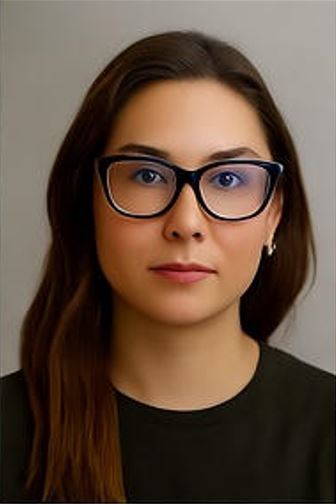
New image database shows migration experiences since the 70s, analyzed by historian Vida Bakondy. Insight into the lives of migrants.

New image database shows the lives of migrant women in Vienna!
A new image database provides fascinating insights into the everyday lives of migrants who have lived in Austria since the 1970s. The database is part of the research project “Picturing Migrants’ Lives”, which is led by historian Vida Bakondy from the Institute for the Study of the Habsburg Monarchy and the Balkans. She analyzed the photographs taken by photo reporter Jovan Ritopečki, who came to Vienna in 1966, the year in which the recruitment agreement between Austria and Yugoslavia was signed. The images not only document the everyday lives of migrants, but also address the harsh living conditions and structural discrimination that many of them experience.
Particularly noteworthy is the focus on migrant women, whose realities are often overshadowed in public perception. The photographs show women at work, in their free time or at home and break common stereotypes. They illustrate feminized work areas and present a variety of life situations and migration experiences. Many of the women pictured came alone to join their families or started their own families in Austria.
A deeper analysis of living conditions
The image database includes a visual chronicle that documents more than two decades of migration history. The analysis of Ritopečki's photography, which was taken in an accommodation for Yugoslav migrants on the outskirts of Vienna, highlights particularly interesting aspects. This series of 30 black and white negatives, entitled “House of Horrors,” offers a powerful insight into the precarious living conditions and social marginalization of migrants. The micro-analysis shows how the social position of the photographer, who was himself a migrant, influenced his perspective and approach to the topic and how the transnational contexts of the photographs shape historical horizons of interpretation and expectations.
These depictions correlate with current reports about the challenges that migrant women face in Germany. On the occasion of International Worker's Day, structural inequality in the German labor market was addressed as part of the #UnsichtbareSichtbarMachen initiative. According to a study, migrant women earn on average 30% less than their male colleagues without a migration history. The gender pay gap in Germany is 16%, while migrant women also suffer from these inequalities at 30%.
The reality of migrants
Data from the IAB-BAMF-SOEP surveys show that only 33% of working-age refugee women have access to the labor market after eight years in Germany, compared to 89% of men. In addition, migrant women are often employed in the low-wage sector, which brings with them an increased risk of poverty in old age and unsafe working conditions. These circumstances highlight the importance of taking targeted intersectional actions to ensure social justice.
Overall, the new images and the accompanying analyzes illustrate how crucial it is to make the realities of migrant life visible. The image database not only opens up new perspectives on migration history, but also challenges a society that often ignores the presence and challenges of these people.
Further information and an in-depth insight into the project can be found in the Kleinen Zeitung, in the Journal für Migrationsforschung and on the Website of DAMIGRA.