

 Suche
Suche
 Mein Konto
Hot water chaos in the city: Tenants suffer from cold water
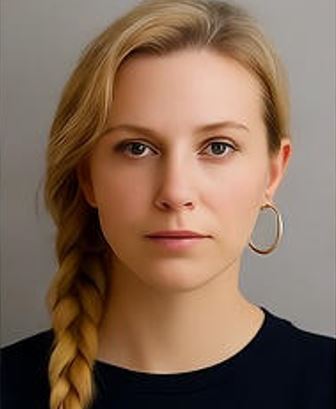
A Viennese tenant reports on the problems in his smart apartment: no hot water and the feeling of being let down. Find out more about the challenges of modern living concepts.

Hot water chaos in the city: Tenants suffer from cold water
Last week there were massive problems in a residential building in Vienna when the residents suddenly had to find themselves without hot water. This is a serious challenge, especially in the cold season. Many tenants report the freezing temperatures outside making it impossible to shower or wash with cold water, causing additional discomfort. Erol, a resident, expresses his frustration with the inadequate situation and the associated deficiencies. "This is what happens when the vision of 'modern, smart living' turns into a nightmare for tenants. Enough is enough!"
Numerous residents have come together in a Facebook group to share their experiences and problems. It turned out that several parties in the same building were suffering from this lack of water. The willingness to talk among the residents shows the shared dissatisfaction and the urgency of solving this problem.
Situation and communication problems
A central point that comes up again and again in the discussions is the feeling of disappointment towards those responsible. The modern living concepts implemented in the building do not seem to meet the basic needs of the tenants. Instead of creating a comfortable and reliable living situation, residents are now experiencing a real nightmare in their own home.
The residents of the affected house are demanding that those responsible quickly clarify the situation and commit to an effective problem-solving approach. Residents repeatedly emphasize the need for such “smart” technology solutions to be truly functional and not lead to numerous complications. The idea of living intelligently and sustainably is called into question in these cases.
In addition to the hot water problems, residents also reported other inadequacies in the complex. Such difficulties in newly constructed buildings raise many questions, particularly about how safe and reliable modern technologies really are in practice. This dissonance between the promised modern lifestyle and the actual experience can be very stressful for tenants.
It remains to be seen how those responsible will respond to the residents' complaints. The tenants have made it clear that they expect solutions and no longer want to remain in a dilapidated living environment. The situation clearly shows that when planning new housing concepts, the needs of the tenants should be given priority in order to avoid such grievances right from the start.
The planned discussions with the property managers are of great interest for further information about the current situation and the reactions of those responsible. The residents hope for a quick clarification and a return to reliable living conditions that meet the expectations of “smart living”.