

 Suche
Suche
 Mein Konto
Neos in Upper Styria: reforms for crèches and health required
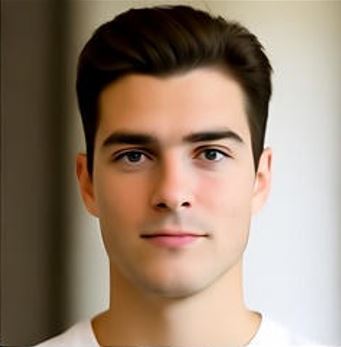
Sebastian Wintschnig from the Neos in third place on the list calls for better child care and health care in Upper Styria. The state election on November 24th is getting closer.
Neos in Upper Styria: reforms for crèches and health required
In Bruck an der Mur, the Styrian Neos recently presented their candidates for the upcoming state elections. Sebastian Wintschnig, who comes from this region, was placed third on the list, directly behind Niko Swatek and Robert Reif. The candidates' presentation highlighted pressing challenges in the region, particularly deficiencies in child care and health care.
Niko Swatek, the top candidate, made it clear that Styria ranks at the bottom when it comes to child care. “We are among the bottom performers nationwide when it comes to crèches and kindergartens,” he explained, also pointing out that health care has been neglected for a long time. “We cannot continue like this,” Swatek continued.
Concrete demands and visions
The focus is now on urgently needed reforms. The lack of childcare places for children is addressed by Wintschnig, who calls for a free fixed place for everyone who wants to use it. “That would solve many problems, especially with regard to the personnel shortages,” explained Wintschnig.
Robert Reif, second on the list, emphasized the need for improved health care. He suggests investing 500 million euros in the expansion of telemedicine and the creation of additional statutory health insurance physicians instead of in expensive large-scale projects such as a new lead hospital. “The population needs quick and accessible medical help,” said Reif.
In addition, the alarming unemployment rates in the Murtal were discussed. At 6.3 percent, the district has the second highest unemployment in Styria. “We are under pressure and must act now to secure our prosperity,” says Swatek in his appeal to voters.
Plans for the future
The conditions for the communities are particularly important to the Neos. Wintschnig demanded that they should not only rely on subsidies from the state and federal government, but should also fulfill their own tasks more efficiently. “There must be more money for the Styrian communities,” was his urgent message.
Although the forecasts for the state elections are uncertain, Swatek remains optimistic: "A result like the National Council election would be ideal. It remains to be seen how the electorate will decide, but we are doing everything we can to win people over." The entry of Reif and Wintschnig into the state parliament is seen as a realistic possibility.
The coming election is not just about winning seats, but also about driving concrete changes in Upper Styria. It remains to be seen whether the Neos' proposals will be heard, but the current discussion shows that the issues of child care and health care must be at the top of the political agenda. More background information and details are here to find.