

 Suche
Suche
 Mein Konto
Young physicist discovers secrets of the Castor containers in Landshut
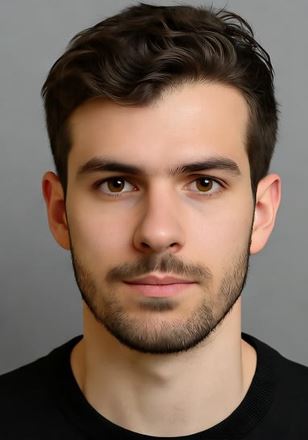
Julia Niedermeier, nuclear physicist, sheds light on the handling of Castor containers in the Landshut district in times of energy crisis.

Young physicist discovers secrets of the Castor containers in Landshut
In Niederaichbach, where 88 Castor containers are stored, the discussion about how to deal with radioactive waste and the associated technologies is of great relevance. The 28-year-old nuclear physicist Julia Niedermeier is working on her doctoral thesis on muon radiography, which is being carried out in collaboration with the Gesellschaft für Zwischenlagerung. In a recent interview, she reflects on her first encounter with nuclear waste containers and talks about her relationship to physics lessons at school. She also comments on the demands of District Administrator Peter Dreier and Mayor Josef Klaus.
Castor containers and energy crisis
The issue surrounding the Castor containers also becomes relevant against the background of the current energy crisis in Germany. The reduced gas deliveries from Russia as a result of the Ukraine war have prompted politicians to look for solutions. In this context, the discussion about the continued operation of German nuclear power plants is being reignited. The Krefeld company Siempelkamp, which has been supplying container bodies for Castors for around 40 years, plays a crucial role in this.
Siempelkamp, which specializes in the dismantling of nuclear facilities, has established itself as an important player in these discussions. The term “Castor” itself stands for “cask for storage and transport of radioactive material” and illustrates the importance of these containers for the safe storage and transport of highly radioactive materials, such as idowa.de reported. Also rp-online.de highlights the continued relevance of the issues of interim storage and final storage in the current political landscape.